
Lobsters are a staple here at the museum. All our lobsters are donated by local fishers and then released at the end of September, ready to start the process over next summer! We are always excited to see what lobsters are going to come through our doors, as they show up in a variety of shapes and colours. Many visitors of the museum are curious about what makes a lobster blue, how rare are albinos, and have the orange ones already been cooked? These questions are then usually followed up by asking what other colours are possible, and if we have had any in previous years. In this fun fact Friday blog we will dive into lobster colours and patterns which will sure to have readers bemused by the wonders of the sea.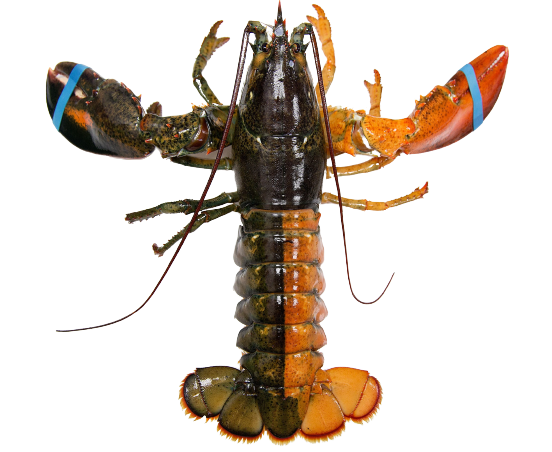
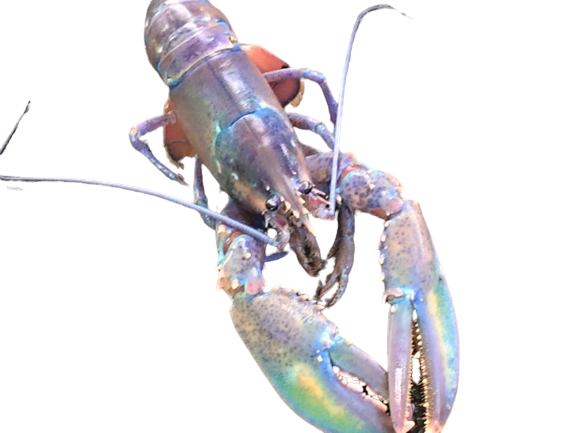
Firstly, what colours can a lobster be? Well there are blues, oranges, browns, calicos, albinos, cotton candy, rainbows, splits and maybe more. That is a lot of options, all having different statistical probabilities, so here is a brief breakdown:
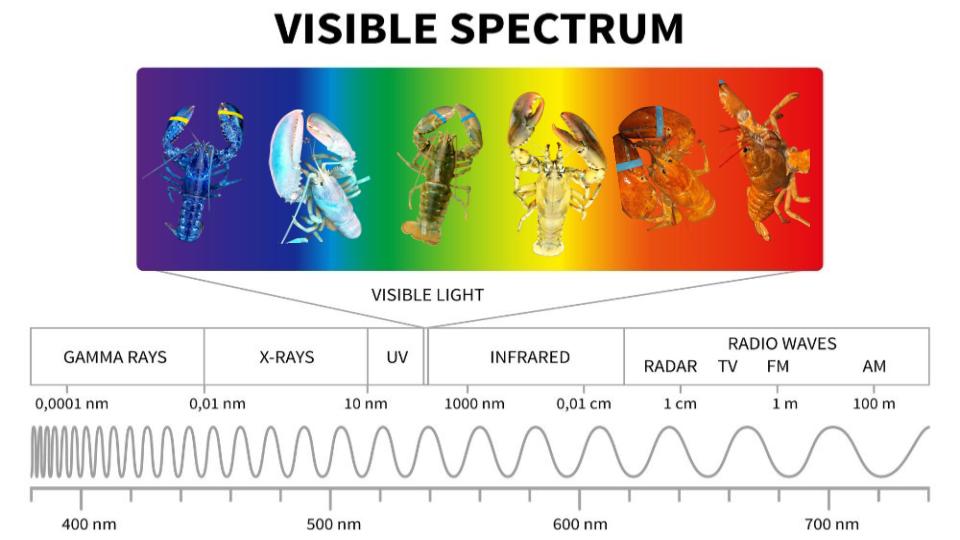
Wow what a variety! And the crazy thing is, they will all boil red (except for the albinos). That means when you receive a lobster already cooked in a restaurant there is a chance that that lobster could have been any of these rare colours. Of course these rare coloured lobsters are more likely to be donated for educational purposes or are released back into the water, so their chance of ending up on a dinner plate is much less than that of a regular lobster. But how does a lobster become such a striking colour? To answer this question we need to go back to when the lobster was just a little larva in its egg. 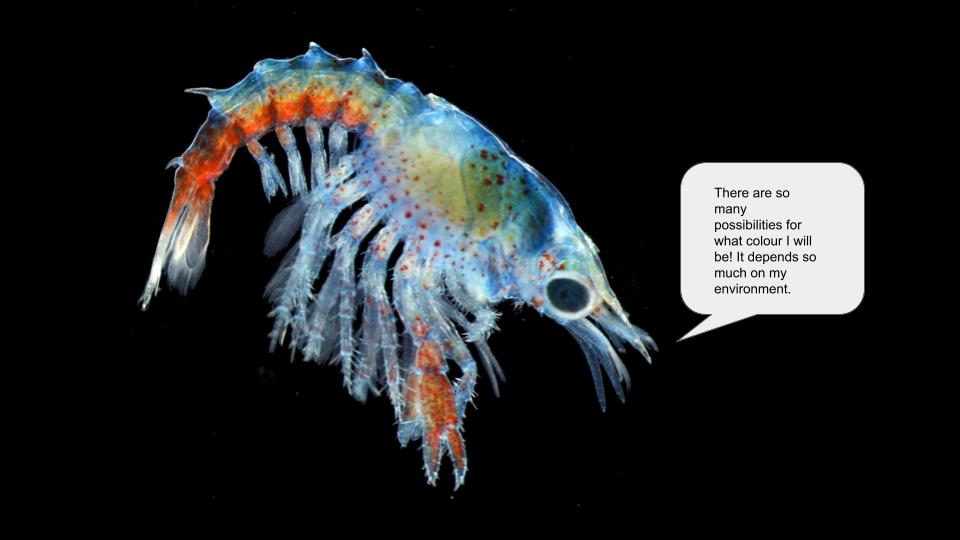
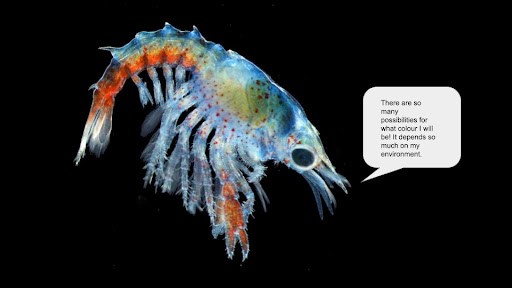
The colour of a lobster is dependent on the protein bonds present in their shells. Think of what happens when you boil a lobster, the heat of the water tampers with the protein bonds, breaking them down resulting in a bright red pigment. A similar thing can happen in changes of water temperature and environment during the larva and egg stage. These subtle changes in environment will have a life long impact by means of genetic mutation, thus the lobster will have a new colour for as long as it lives. That being said, these environmental changes do not affect lobsters equally, not every lobster in these environments will change colours, hence why they end up being so rare!
Another possibility is the lobster changing slightly in colour due to their diet. For instance, when a lobster eats too much keratin in seaweed, they may begin to turn orange, and too much chlorophyll can cause green shades to come through. It is these colour changes that can fade or darken during the life of a lobster, and are not typically as strong as the early genetic mutations. However, this type of colour change can be more regional based, meaning there could be sections of the ocean floor where one food source is more prominent, and lobsters are eating more of it, causing more of them to turn hues.
And that is what is up with lobsters! Truly such little aliens of the sea. We highly encourage you all to come check out the array we have this summer before they are all gone.
| Colour | Probability | Have they been to our museum? |
| Blue | 1 in 2-5 million | Yes! We have 4 this year. |
| Red | 1 in 10 million | Not yet! |
| Calicos | 1 in 30 million | Yes! We have 4 this year. |
| Orange | 1 in 30 million | Yes! We have 8 this year. |
| Yellow | 1 in 30 million | Not yet! |
| Split colour | 1 in 50 million | Yes! We had 1 in 2018 |
| Cotton candy | 1 in 100 million | Yes! We have 1 this year, although she is being released early since she has laid eggs. |
| Albino | 1 in 100 million | Yes! We had 1 in 2020 |
| Rainbow | 1 in 100 million | Not yet! |