
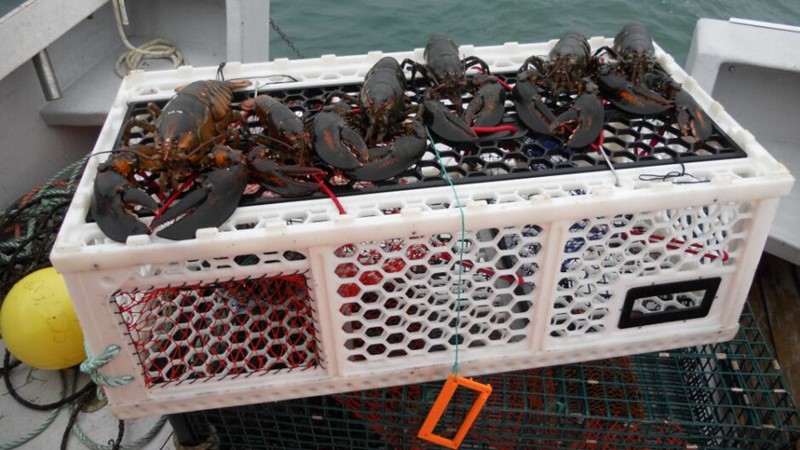
The culture and economy of Atlantic Canada have long been heavily reliant on the lobster industry. Innovative solutions are being sought to protect this priceless resource while reducing the industry's ecological impact as sustainability and environmental consciousness continue to gain traction. A ground-breaking innovation has developed in recent years with the introduction of recycled plastic lobster traps. These environmentally friendly traps could revolutionize how lobsters are caught in the area by providing a more environmentally friendly option to conventional traps.
The idea behind recycled plastic lobster traps is straightforward while also being effective. These innovative traps are made of recycled plastic materials rather than traditional wire mesh or hardwood traps. They retain the well-known shape of a cylindrical cage, but their construction makes them stand out as a more environmentally friendly option. The traps are a practical and long-lasting solution for fisherfolk because they are strong, UV-resistant, and able to weather the challenging conditions of the Atlantic Ocean.
According to Scott Dauphinee, managing director of The Lobster Trap Company, plastic traps are the “Mercedes of lobster traps.” He would back this up by saying they have “A lower centre of gravity to keep them on the ocean floor, weigh anywhere from 45 to 70 pounds and are expected to last at least 10 years, but potentially longer if taken care of properly.”
The decision to employ recycled plastic lobster traps serves a wider purpose. By encouraging environmental sustainability and lowering ocean pollution. Due to this, there are several reasons that plastic traps are the solution to all of the issues facing lobster trap manufacturing, as well as being a step in the right direction in changing the industry to make it more sustainable. Using recycled plastic traps, the fishing industry is making great advances in reducing plastic waste in the water. This of course is of great importance to the fishing industry because the less plastic in our oceans the better quality catches they can bring in.
Old wire traps and other traditional fishing equipment can occasionally endanger marine life. Recycled plastic traps are less likely to break apart, reducing the risk of ghost gear and its detrimental effects on marine ecosystems. Compared to producing new plastic, the production of recycled plastic uses far less energy and produces less greenhouse emissions. The lobster business helps reduce its carbon footprint and lessens its contribution to climate change by choosing recycled materials.
Additionally, the adoption of recycled plastic lobster traps comes with several advantages over the older style of traps. Traps made of recycled plastic are far more resilient and endure a lot longer than conventional traps. Because traps are more durable, they last longer between replacements, lowering the need for new traps and the environmental effect of the business. They are also quite economical. Recycled plastic traps may initially cost a little more, but over time they end up being more affordable due to their increased longevity and less need for replacements. This will eventually add up to save more time and money. Though recycled plastic traps may initially require a slightly higher investment, their prolonged lifespan and reduced need for replacements make them a cost-effective choice in the long run.
A significant step towards a more ecologically conscious and sustainable lobster industry has been made in Atlantic Canada with the introduction of recycled plastic lobster traps. Lobster fishing in Atlantic Canada relies on maintaining healthy lobster populations. By using traps made from recycled plastic, fisherfolk demonstrate their commitment to sustainable practices that benefit both their livelihoods and the environment. fisherfolk are showing their commitment to protecting the region's prized marine resources for future generations by adopting these environmentally responsible options. These recycled plastic traps are proven to be a key element in the ongoing effort to safeguard our seas and advance a greener planet because of their robustness, affordability, and minimal environmental impact.