
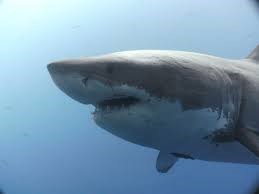
While it is often associated with gentle tides, sandy beaches, and maritime activities, the Northumberland Strait has also witnessed some intriguing and unexpected encounters; the appearance of sharks. This has caused debate between the fishermen who claim the strait is too shallow, and Fisheries and Oceans Canada. They have documented many Great White Sharks in the area! In order to better understand their recent appearances we delve into the enigmatic sightings of sharks in the Northumberland Strait, exploring their significance and the factors contributing to their presence.
The presence of sharks in the Northumberland Strait can be attributed to several environmental factors. One significant influence is the strait's proximity to the Gulf of St. Lawrence, which is a migratory route for various marine species, including sharks. As sharks follow their prey, which may include schools of fish, they occasionally venture into the Northumberland Strait.
The strait's oceanographic conditions also play a role in attracting these apex predators. Factors such as temperature, salinity, and nutrient levels influence the distribution of prey species, subsequently shaping the movements of sharks within the area. Understanding these ecological dynamics helps shed light on why sharks are occasionally spotted in the Northumberland Strait.
There was an 8-foot, 341-pound shark caught in the Strait near Kouchibouguac National Park in July of 2020. This shouldn’t cause concern according to the scientists that monitor their behaviour due to their non-confrontational nature and how far from shore they tend to go. Many of the sharks that have made an appearance in the Strait have been tagged so their movements can be tracked. Often the sharks are in the area on the way to somewhere else or ended up there randomly. There aren’t many sharks living near the area but they have been known to show up every now and then.
According to scientists, shark sightings are becoming more common. This is of course important for the biodiversity of the region as well as a good sign for the shark population as it was overfished and became a protected species. While the occasional presence of sharks in the Northumberland Strait may be thrilling for some and surprising for others, it serves as a reminder of the delicate balance of marine ecosystems. Sharks are vital to maintaining the health and equilibrium of oceanic food webs. They regulate the populations of prey species, preventing unchecked growth and ensuring the marine environment’s overall health.
The Northumberland Strait's appearances of sharks add an element of intrigue and excitement to the region's marine biodiversity. While encounters with these apex predators may be infrequent, their presence serves as a testament to the dynamic nature of our oceans and the interconnectedness of marine ecosystems. By understanding the factors influencing their appearances, advocating for conservation, and promoting responsible coexistence, we can foster a harmonious relationship between humans and sharks in the Northumberland Strait, ensuring the preservation of this remarkable corner of our planet's natural heritage.
An exhibit on the natural heritage of the region can be seen in our gallery for those who would like to learn more about the beauty of the Northumberland Strait and the creatures that call it home.